Middle East Conflict Impacts UK Borrowing, Inflation, and Air Travel Industry
1-Minute Brief
Concerns over the Iran war are affecting UK economic indicators and summer travel, raising uncertainty for markets and consumers.
Key Facts
- UK government borrowing rose by £4.9 billion year-on-year to £24.3 billion last month.
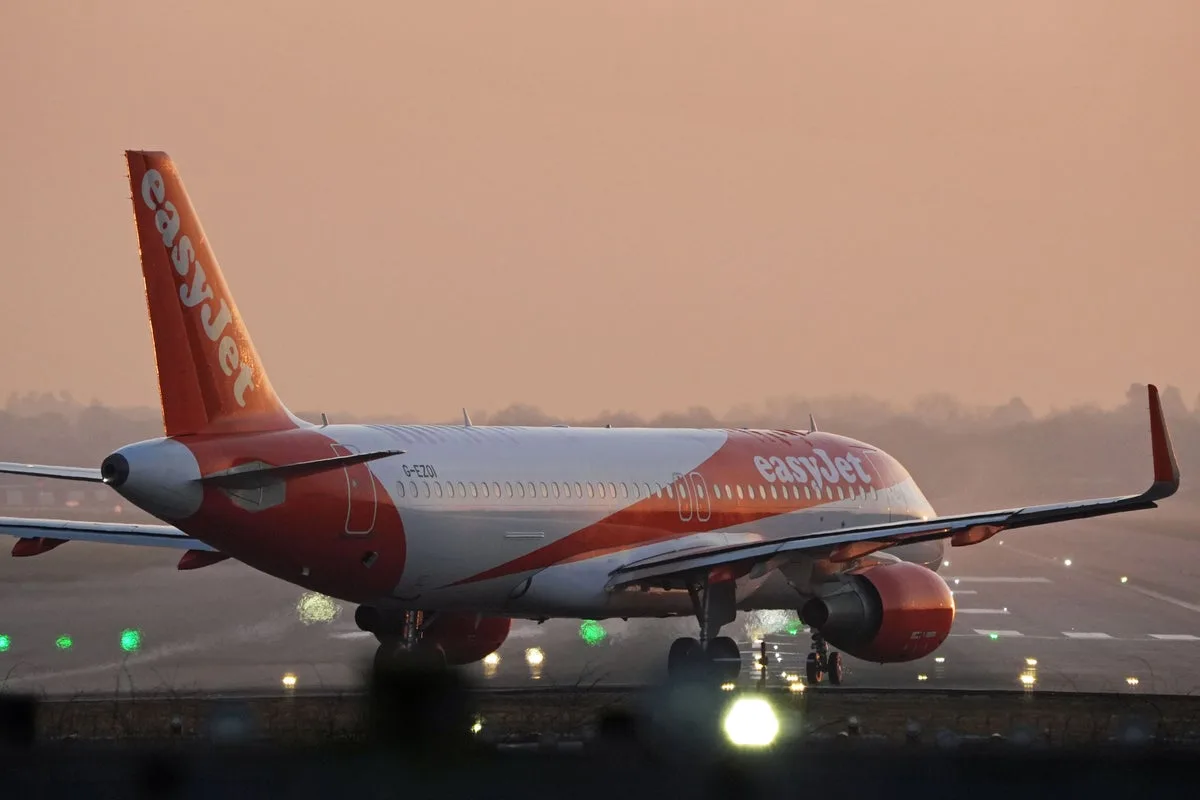
- EasyJet reported a half-year pre-tax loss of £552 million, consistent with its April trading update.
- EasyJet attributed a decline in summer bookings to the ongoing Middle East conflict.
- The Office for National Statistics reported borrowing figures amid economic pressures linked to the Iran war.
- Investors in G7 government debt are seeking protection as Middle East tensions drive inflation concerns.
What Happened
The Iran war has contributed to increased UK government borrowing, inflation warnings, and disruptions in the travel sector, including reduced bookings and financial losses for airlines.
Why It Matters
These developments signal broader economic uncertainty, with potential impacts on public finances, consumer prices, and the travel industry as the summer approaches.
What's Next
Observers are monitoring inflation trends, government fiscal responses, and travel demand as the situation in the Middle East evolves and summer travel season nears.
Sources
Confirmed by 3 independent sources
- Bloomberg MarketsCenter12h ago$50 Trillion Safe-Haven Debt Market Upended by Iran War Inflation
- The IndependentLeft2h agoBorrowing surges by more than expected in blow to Chancellor amid Iran war woes
- The IndependentLeft1d agoEasyJet blames fall in summer bookings on Middle East war