China Faces Criticism Over Information Control After Tibet Mudslide Near Nepal Border
1-Minute Brief
The handling of disaster information in Tibet has raised concerns about censorship and transparency following a major mudslide.
Key Facts
- China’s official media coverage of the mudslide in Tibet has been limited and tightly controlled.
- Rights groups have accused Chinese authorities of withholding information on the scale of the devastation.
- Journalists have reported being able to cover grief and anger more freely in Nepal than in Tibet.
- Chinese state media have presented a sanitized version of the disaster’s aftermath in Tibet.
- Rights groups claim that censorship has intensified in Tibet following the mudslide.
What Happened
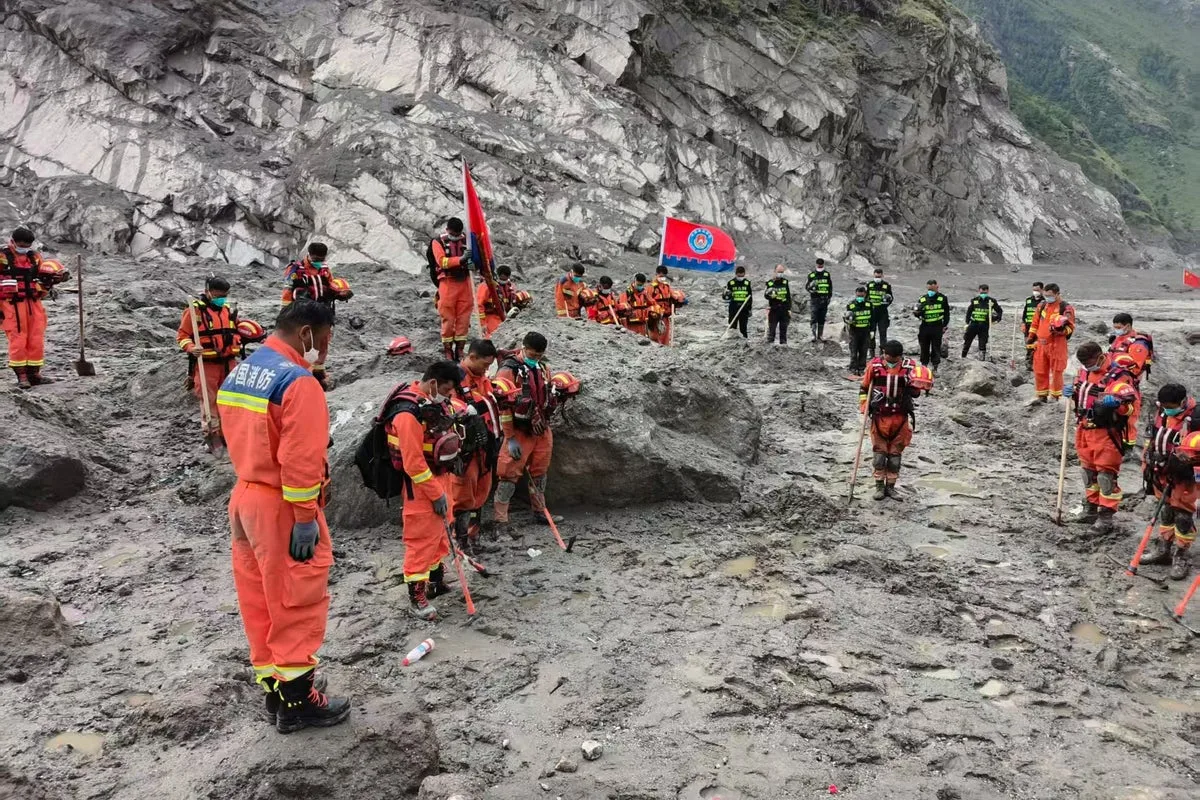
A devastating mudslide occurred in Tibet near the Nepal border. Chinese authorities have faced criticism from rights groups and international observers for their approach to information control and media coverage of the disaster.
Why It Matters
The event highlights ongoing concerns about media freedom and government transparency in Tibet, especially during disasters. The differing levels of press access between Nepal and Tibet have drawn attention to China’s information policies in sensitive regions.
What's Next
Observers are monitoring for additional information releases or changes in media access. Rights groups may continue to press for greater transparency regarding the disaster’s impact and response.
Sources
Confirmed by 2 independent sources