AI Growth Drives Power Grid Innovation and Sparks Policy Debate
1-Minute Brief
The rapid expansion of AI is increasing pressure on power infrastructure and prompting calls for new regulatory frameworks.
Key Facts
- Seattle startup Edo is working with utilities to convert office buildings into virtual power plants to help meet AI-driven electricity demand.
- Companies are facing challenges managing a surge in code and infrastructure needs due to AI expansion.
- AI demand and extreme weather are adding pressure to the existing power grid, leading to new solutions.
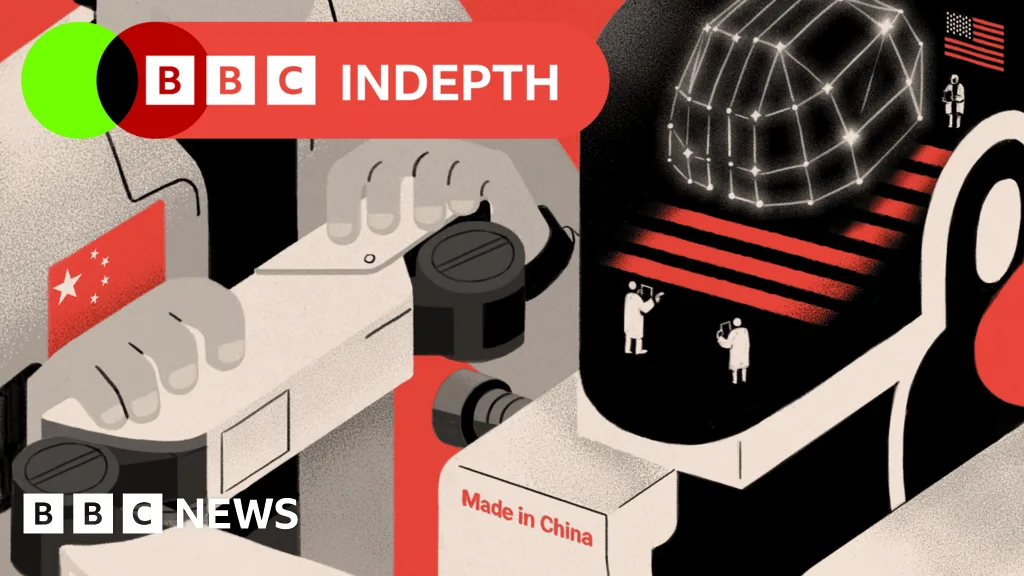
- The US and China are each leading in different aspects of AI development, with ongoing competition between the two.
- Sam Altman of OpenAI has proposed a 'New Deal' to address the impact of AI superintelligence, while some critics question the company's policy motives.
What Happened
The growth of AI is straining power grids and prompting new approaches, such as virtual power plants and policy proposals, to address infrastructure and societal impacts.
Why It Matters
AI's expanding footprint is affecting energy systems, business operations, and international competition, raising questions about regulation and resource allocation.
What's Next
Observers are watching for further developments in power grid adaptation, regulatory responses, and the evolving US-China AI rivalry.
Sources
Confirmed by 5 independent sources
- Fox NewsRight23h agoAI needs more power: Offices could be the answer
- BBC NewsCenter5h agoChina is winning one AI race, the US another - but either might pull ahead
- NYTLeft18h agoThe Big Bang: A.I. Has Created a Code Overload