Chernobyl 40 Years On: Survivors, Cleanup Efforts, and Ongoing Security Concerns
1-Minute Brief
The Chernobyl disaster's legacy continues to affect Ukraine's environment, security, and those involved in the cleanup, as new challenges emerge de...
Key Facts
- The Chernobyl nuclear plant explosion and fire occurred on April 26, 1986.
- Approximately 600,000 soldiers, firefighters, engineers, miners, and medics participated in cleanup operations after the disaster.
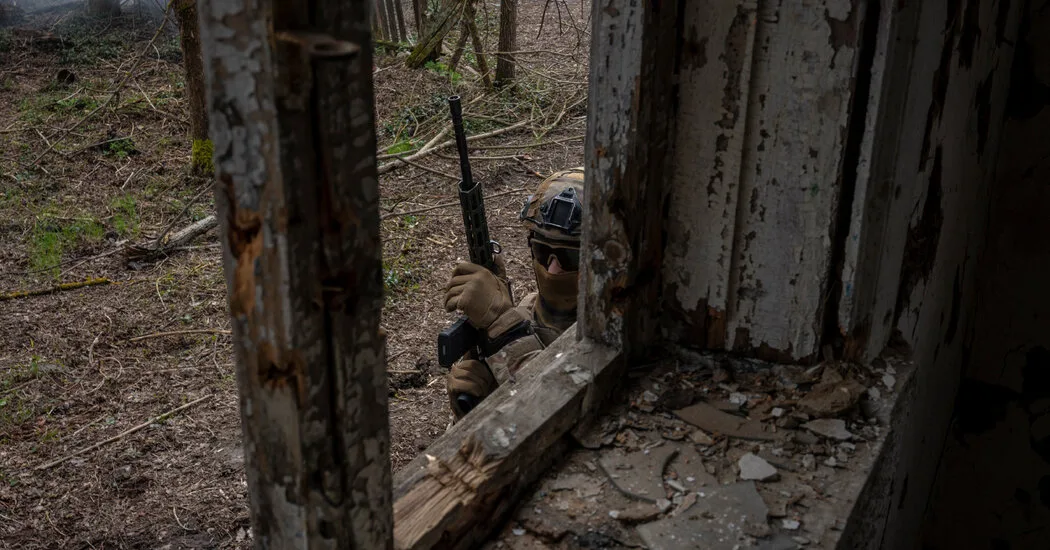
- Ideas have been proposed to generate economic benefits from the contaminated zone, but it remains under army control as a security belt.
- In the weeks following the explosion, information about the disaster was limited to brief Soviet government announcements.
- Wildlife in the Chernobyl exclusion zone has adapted in unexpected ways since the nuclear accident.
What Happened
The Chernobyl nuclear disaster began with an explosion and fire at the plant on April 26, 1986. Cleanup involved hundreds of thousands of personnel, and the area remains heavily controlled and monitored.
Why It Matters
Chernobyl's impact persists, influencing Ukraine's environmental policies, public health, and security strategies. The site remains a symbol of nuclear risk and ongoing recovery challenges.
What's Next
The exclusion zone will continue to be managed as a security area, while discussions about its future economic use and environmental monitoring are ongoing.
Sources
Confirmed by 4 independent sources
- NYTLeft7h ago40 Years After the Meltdown, War Layers Another Disaster on Chernobyl
- The IndependentLeft10h agoAP Was There: Early Chernobyl victims buried in Moscow cemetery
- Al JazeeraLeft2h agoChernobyl’s surviving ‘liquidators’ return 40 years after nuclear disaster