UK Pays Highest 30-Year Bond Interest Rate Since 1998 Amid Inflation Concerns
1-Minute Brief
Rising government borrowing costs and inflation risks are increasing fiscal and monetary pressures in the UK and global markets.
Key Facts
- The UK government paid 5.82% interest to borrow £4bn via a 30-year bond, the highest rate since 1998.
- Markets are anticipating two major US inflation reports this week: the PPI on Thursday and the CPI on Friday.
- Bank of England chief Andrew Bailey discussed ongoing economic pressures and interest rates before Parliament’s Treasury Committee.
- Bailey stated that central banks face a 'serious challenge' from populism and should be insulated from short-term political pressures.
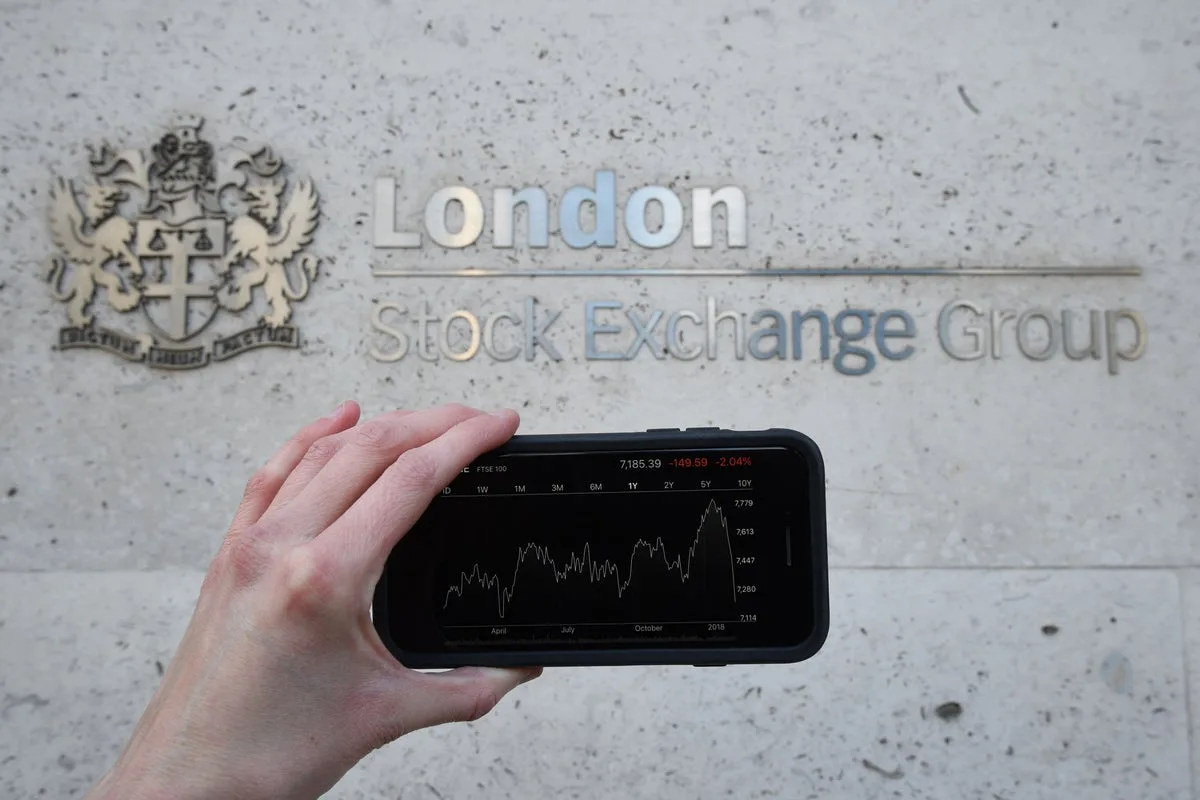
- The FTSE 100 index declined as Bailey flagged ongoing inflation risks.
What Happened
The UK government issued a 30-year bond at its highest interest rate since 1998, reflecting broader inflation concerns. Bank of England Governor Andrew Bailey addressed Parliament on related economic pressures.
Why It Matters
Higher borrowing costs could limit government fiscal flexibility and signal persistent inflation concerns, while central banks face scrutiny over their policy independence amid political and market pressures.
What's Next
Investors and policymakers are watching upcoming US inflation data, which may influence global market movements and central bank decisions. UK fiscal planning may be affected by sustained high borrowing costs.
Sources
Confirmed by 3 independent sources
- The IndependentLeft7h agoFTSE 100 slips as Bank of England chief flags inflation risks
- The IndependentLeft14h agoCentral banks face ‘serious challenge’ from populism, says Bank of England boss
- Bloomberg MarketsCenter9h agoMarkets Bracing for PPI, CPI Reports This Week