Ashura and Muharram Observances Highlight Religious and Political Themes
1-Minute Brief
Ashura ceremonies serve as both religious commemorations and platforms for political messaging in some countries.
Key Facts
- Muharram is the first month of the Islamic, or Hijri, calendar and is considered one of four sacred months in Islam.
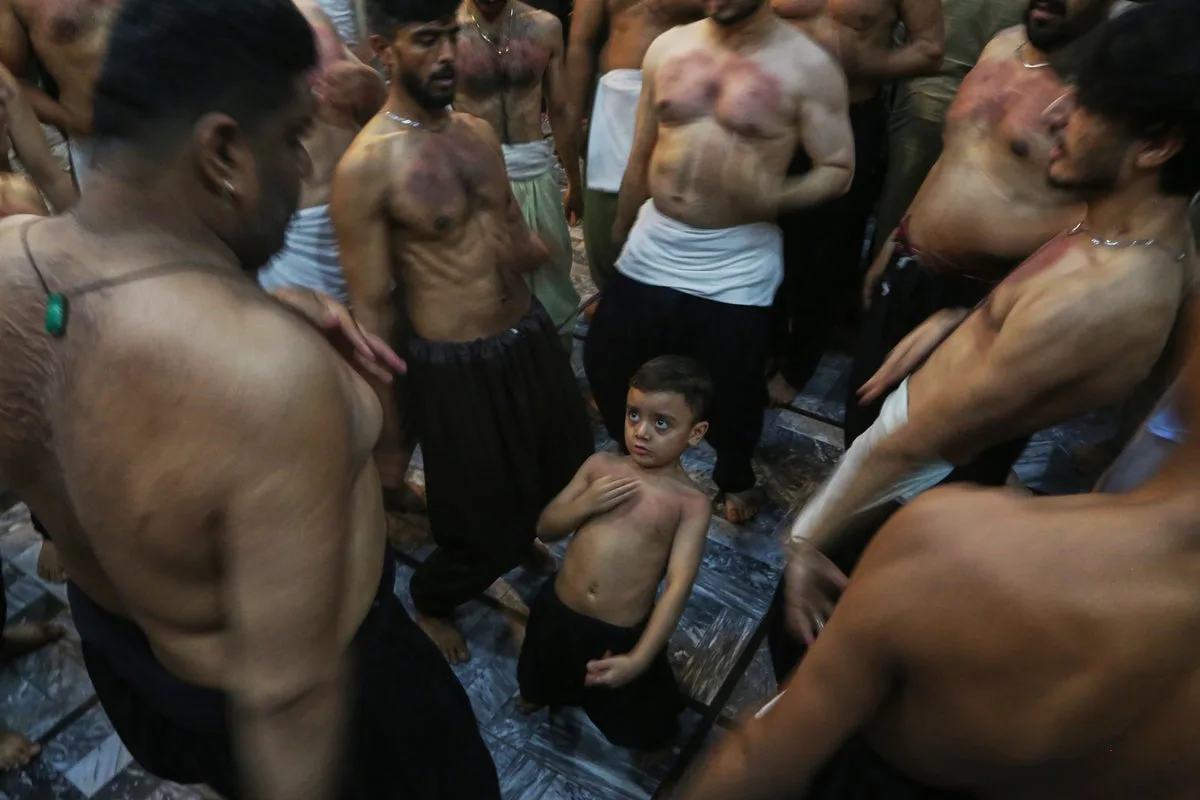
- The most important day of Muharram is Ashura, which commemorates the martyrdom of Hussein, the grandson of the Prophet Muhammad, in a 680 battle in present-day Iraq.
- Islamic tradition forbids warfare during Muharram and encourages increased prayer, charity, and reflection.
- In Iran, state-backed Ashura events highlight leaders killed by the US and Israel, presenting them as martyrs similar to Imam Hussein.
- The Islamic new year, which begins with Muharram, is generally observed in a solemn and introspective manner rather than with festivities.
What Happened
Muslims worldwide are observing Muharram, with Ashura ceremonies marking the martyrdom of Hussein. In Iran, state-backed events also honor leaders killed by foreign powers.
Why It Matters
These observances reflect both deep religious significance and, in some contexts, serve as platforms for political narratives, illustrating the intersection of faith and state messaging.
What's Next
Further ceremonies and reflections are expected throughout Muharram, with continued attention to both religious practices and their political dimensions in various countries.
Sources
Confirmed by 2 independent sources
- The IndependentLeft5h agoPhotos of Muharram: a sacred Islamic month for spiritual reflection and resolutions
- Al JazeeraLeft59m agoAshura ceremonies intertwine faith and support for state in Iran