Archaeologists Use AI to Reconstruct Face of Pompeii Eruption Victim
1-Minute Brief
This marks a new application of artificial intelligence in archaeology, offering insights into ancient lives and historical events.
Key Facts
- Archaeologists at Pompeii have used AI to reconstruct the face of a man killed in the eruption of Mount Vesuvius.
- The digital reconstruction is based on the remains of a victim from the AD 79 eruption.
- The remains used for the reconstruction were recently discovered outside Pompeii's southern gates.
- The individual was identified as an adult male who appeared to have attempted to escape the eruption.
- The project demonstrates the integration of artificial intelligence with archaeological research at Pompeii.
What Happened
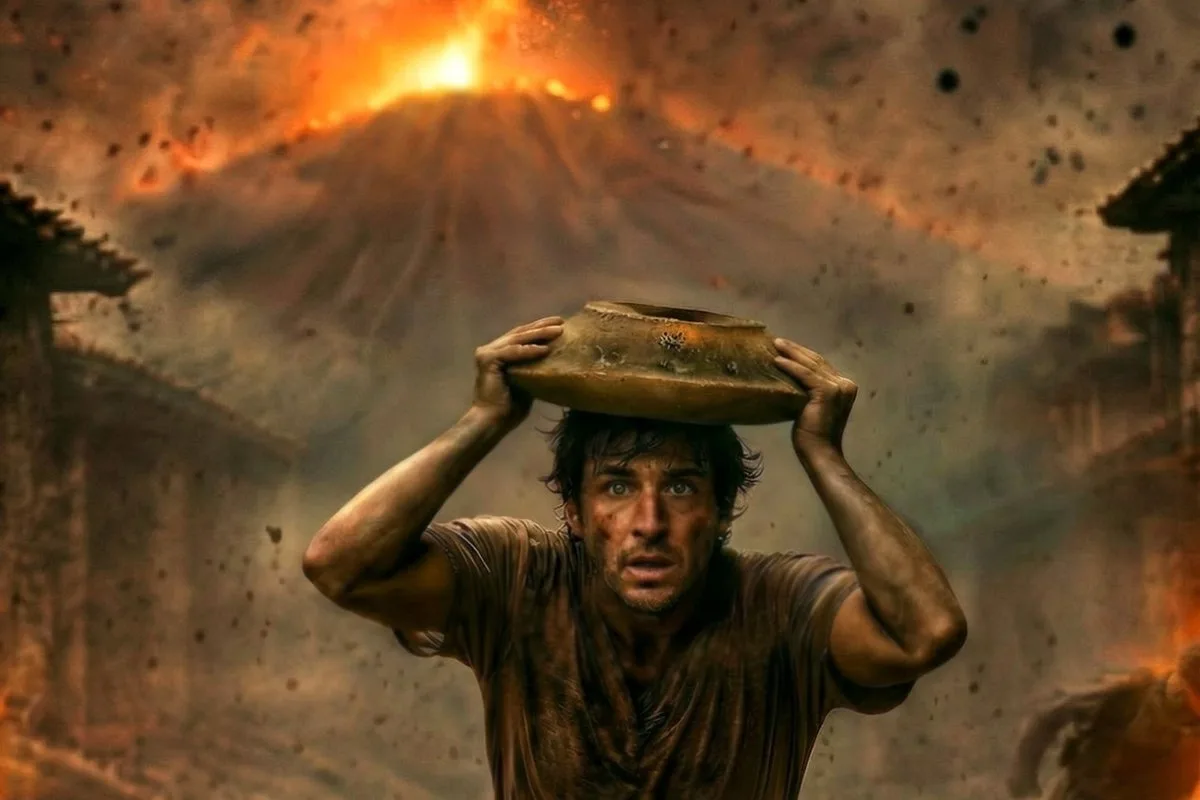
Archaeologists working at Pompeii applied artificial intelligence to digitally reconstruct the face of a man who died during the AD 79 eruption of Mount Vesuvius, using newly discovered remains found outside the city's southern gates.
Why It Matters
The use of AI in this context provides a novel approach to understanding the personal histories of ancient disaster victims and advances archaeological methodology.
What's Next
Further applications of AI in archaeology may follow, potentially leading to more reconstructions and deeper insights into the lives of other Pompeii victims.
Sources
Confirmed by 2 independent sources
- Google NewsUnknown1h agoArchaeologists at Pompeii use AI to reconstruct the face of a man killed in the volcano's eruption
- The IndependentLeft6h agoArchaeologists turn to AI to reconstruct Pompeii victim’s attempted escape
- The IndependentLeft5h agoArchaeologists at Pompeii use artificial intelligence to reveal the face of one of the victims